Resume Analysis Tool – Check ATS Score & Improve Your Resume
Your resume is often the first impression you make on a recruiter. Before a hiring manager reads your application, many companies use Applicant Tracking Systems (ATS) to scan and filter resumes automatically.
A resume may look beautiful to humans but still fail ATS screening. That's why resume analysis has become an essential step for job seekers.
What is Resume Analysis?
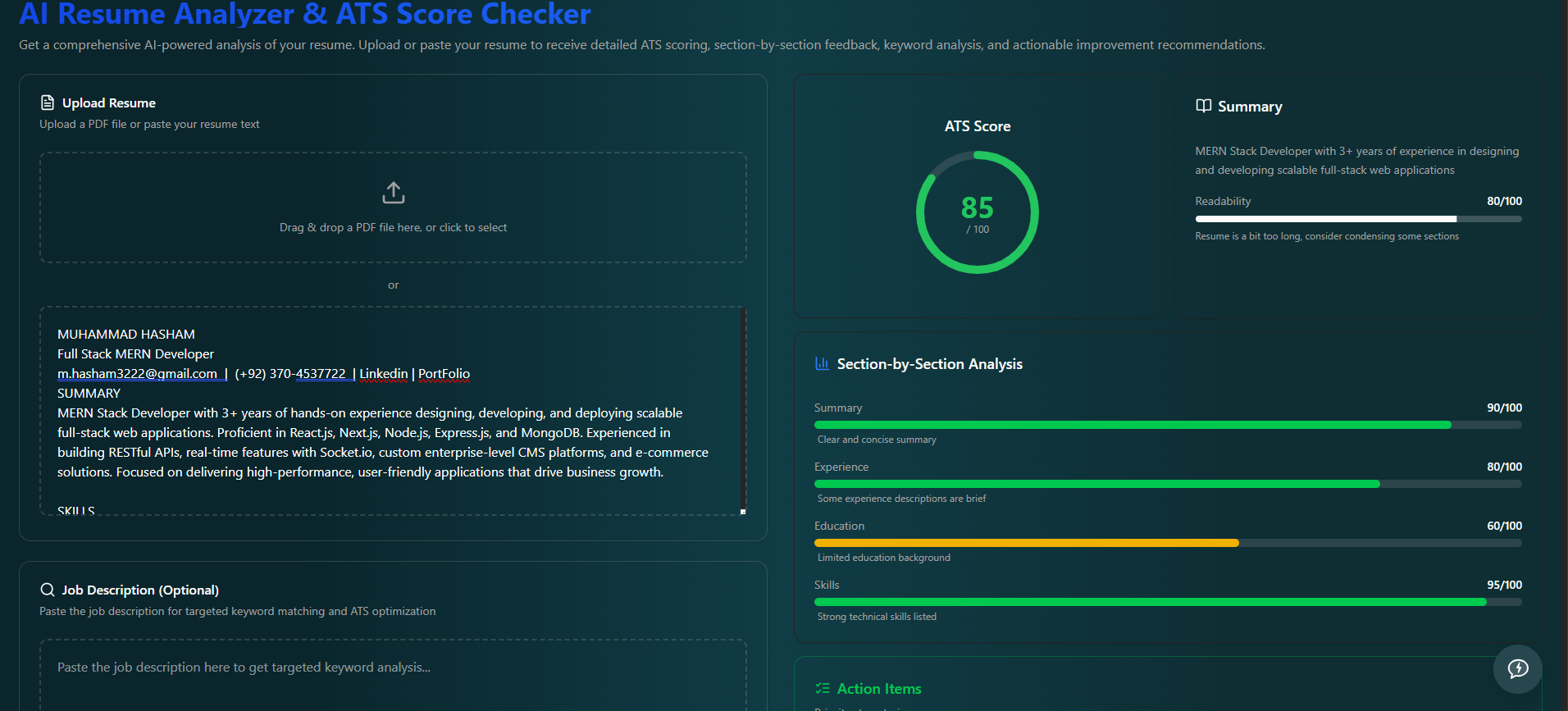
Resume analysis is the process of evaluating your resume to identify strengths, weaknesses, formatting issues, missing keywords, and ATS compatibility. A good resume analysis helps you understand why your resume may not be getting interviews and what improvements can increase your chances of success.
ATS vs Non-ATS Resume
ATS-Friendly Resume
An ATS-friendly resume is designed to be easily read and understood by Applicant Tracking Systems.
Key Features:
Simple and clean formatting
Standard section headings
Relevant job-specific keywords
Proper work experience structure
Easy-to-read fonts
No complex graphics or tables
Non-ATS Resume
A non-ATS resume focuses more on visual design than machine readability.
Common Issues:
Excessive graphics and icons
Text placed inside images
Complex tables and columns
Decorative fonts
Missing industry keywords
While visually appealing resumes may look impressive, they can sometimes confuse ATS software and reduce your chances of passing the initial screening stage.
Why Resume Analysis Matters
A professional resume analysis can help you:
Improve ATS compatibility
Increase keyword relevance
Fix formatting problems
Identify missing skills
Strengthen professional summaries
Boost interview opportunities
Final Thoughts
A great resume should work for both recruiters and ATS systems. Regular resume analysis helps ensure your application is optimized, professional, and ready to compete in today's job market.
Before applying for your next role, take a few minutes to analyze your resume—you may discover simple improvements that make a significant difference.